Context & Background
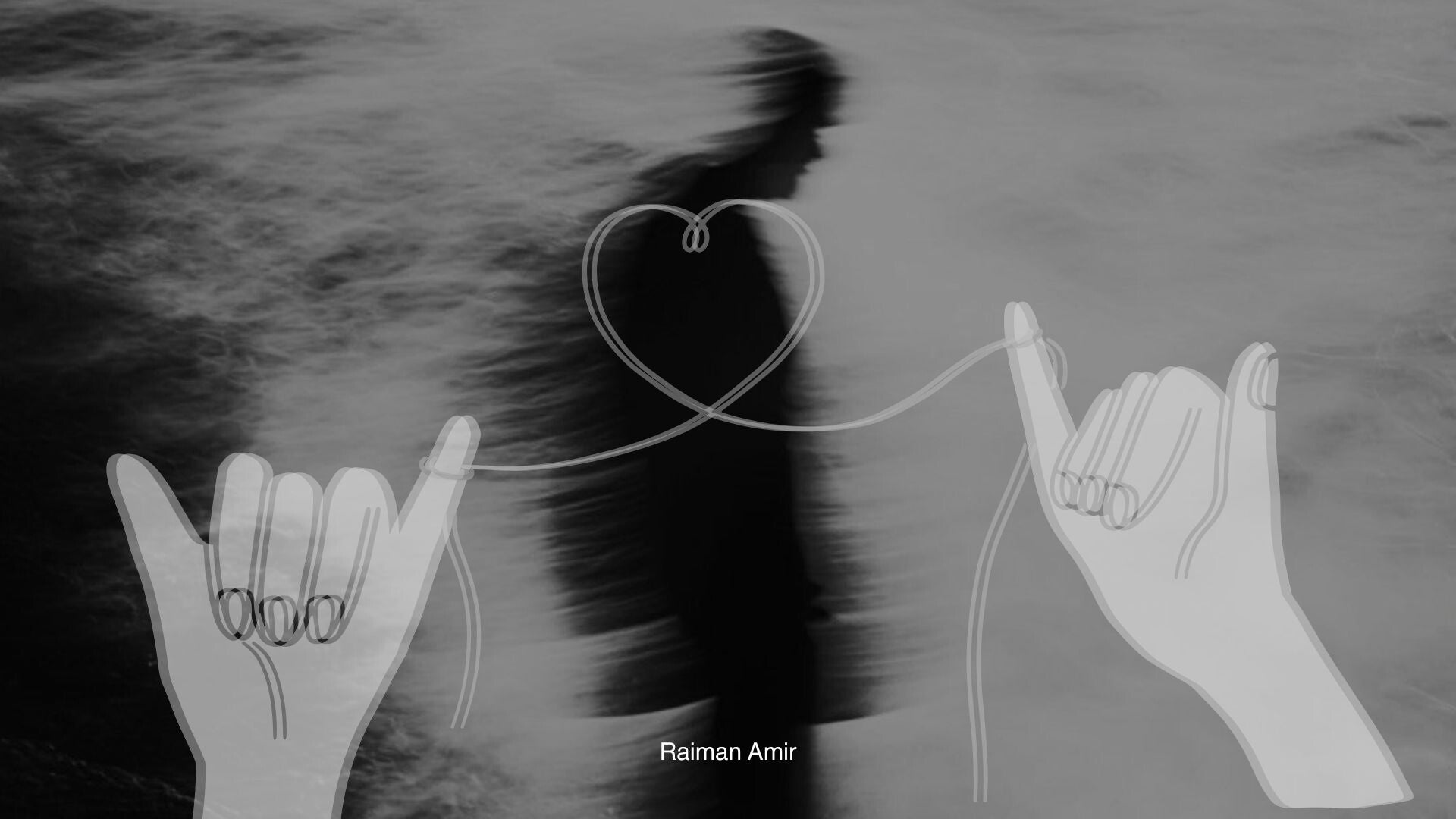
Romantic love is often idealised, yet paradoxically discouraged once it demands emotional presence. In modern relationships, independence is praised, emotional distance is mistaken for maturity, and caring “too much” is quietly labelled as a red flag. Within this landscape, many begin to question whether deep emotional investment in one’s love life is sustainable or socially acceptable.
Personal Reflection
In my love life, I have often been told that I feel too deeply and attach too sincerely. These observations are rarely framed as direct concerns, yet they linger long enough to reshape how one views themselves, quietly planting seeds of doubt. Over time, the same question begins to surface repeatedly:
Is my way of loving flawed, or simply incompatible?
Even though my love did not go until the end, no regret was ever made. Loving fully was a conscious choice, not a mistake. Loving someone is not a contract it is a commitment. It does not require clocking in and out it requires patience, understanding, emotional presence, and open communication. Most importantly, it requires allowing oneself to be fully seen. Yet, these acts of sincerity are often misinterpreted as dependency rather than devotion.
Key Challenges Identified
One of the core challenges in relationships today is the Misunderstanding between emotional dependency and love. Many approach love cautiously, maintaining distance to avoid vulnerability. For individuals who value emotional transparency, this mismatch can lead to confusion and self-doubt.
Impact on Mental Well-Being
Suppressing the urge to love fully or hiding one’s emotions can take a real toll. Over time, emotional restraint can lead to feelings of isolation, low self-esteem, and inner tension. For men especially, societal expectations often discourage vulnerability, making it difficult to express emotions in romantic relationships without fear of judgement. Loving deeply, while rewarding, can sometimes feel lonely if it is misunderstood or unreciprocated.
Observations & Insights
Loving deeply is not a flaw; it is a strength. The problem is not the depth of emotion but the lack of spaces where vulnerability is welcomed and understood. Healthy love requires reciprocity, communication, and empathy not emotional restriction. The challenge is learning to love authentically while navigating a world that often values distance over connection.
Lessons Learned
Love teaches patience, resilience, and self-awareness. It sharpens empathy and encourages reflection, even when it does not last forever. Choosing to love fully, despite potential pain will always be a deliberate act of courage, not a weakness.
Moving Forward
Perhaps the question is not whether it is a crime to love so much, but why society makes us feel that way. Creating relationships and spaces where emotional honesty is encouraged is essential for meaningful connection and personal well-being. Loving fully should be seen as a strength, not a liability.
Conclusion & Takeaways
It is never a crime to love deeply, whether in romantic relationships or life in general. The true risk lies in suppressing emotion to conform to expectations or avoid judgement. Loving openly, authentically, and without regret is one of the most courageous ways to live.
Raiman Amir
Raiman Amir is an international student and writer passionate about mental health, personal growth, and storytelling. Through his blog, he shares reflections on identity, resilience, and navigating life transitions.