Context and Background
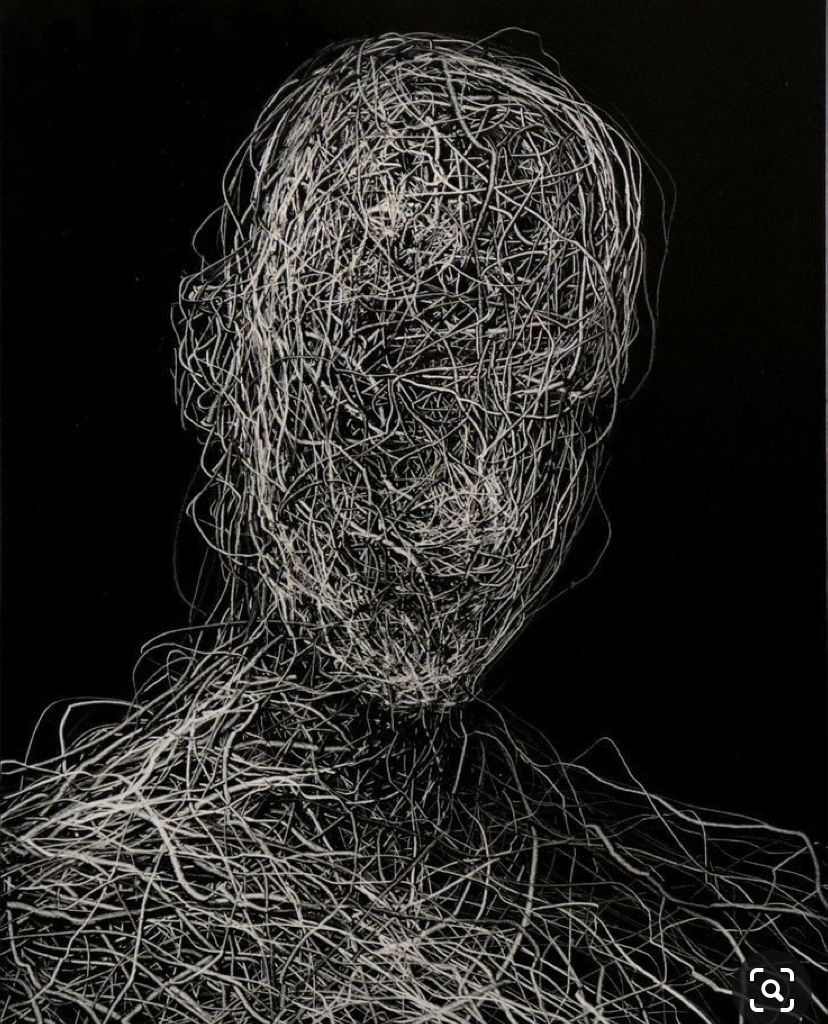
We have all heard it before: "Pressure makes diamonds ." It's a mantra meant to inspire, a reminder that hardships forge strengths and resilience, but the truth is more complicated; not everyone emerges under pressure, some carry it quietly, some bend and some fracture under its weight. That's not weakness it's human. Pressure doesn't diminish our worth; it reveals the weight each of us bears
Honoring the Struggles
Pressure reveals more than it creates. It exposes the weight each of us carries. While some respond to stress with a singular objective to achieve others are simply trying to survive. Many mask their struggles behind a calm exterior, enduring quietly beneath overwhelming demands. That survival, that endurance, is no less meaningful or valuable than visible success.
Yet society rarely celebrates survival. We are taught that pressure is something to conquer, that growth only counts if it looks impressive. Achievement is praised; perseverance without accolades often goes unnoticed. So when someone fails to meet those expectations when they fall short of a goal they worked relentlessly toward the silence that follows can feel crushing.
Is my life ruined?
Where do I go from here?
How do I begin again?
These are not questions of weakness. They are questions born from grief, from loss, from the shattering of an identity once built around striving and success. When effort does not lead to the outcome we hoped for, it can leave us questioning our worth, our purpose, and our place in the world.
But failure under pressure does not erase value. It does not invalidate the effort, the sacrifice, or the resilience it took to try. Sometimes strength is not found in triumph, but in the quiet decision to keep going to sit with disappointment, to rebuild slowly, and to redefine success on our own terms.
When Expectations Outpace Capacity
People rarely collapse all at once. Often they stretch themselves thin, meeting expectations, surpassing emotions and convincing themselves that their persistence alone will be rewarded. Psychological research on performance cultures highlights that more often individuals measure their worth by internalized achievement, especially in environment where overworking is normalised. (Curran & Hill, 2019)
Constant exposure to pressure leads to what stress researches describe as allostatic load, the culmunative wear and tear of the body and mind caused by prolonged stress (Mcewen, 1998). At this point reduced performance is a predictable clear consequence of sustained work overload.
The Lingering Imprint of Survival Mode
Prolonged exposure to heavy pressure often does not just reshape daily behavior but also identity. Psychological studies indicate that chronic stress can affect memory, emotional regulation and self perception (Sapolsky, 2004). When identity is often linked to achievements falling short feels existential; not just a loss of a goal but of a self-concept built around progress.
This is why more often than not failure triggers questions that cuts deep; who am I now? was it all for nothing? These reactions are consistent with the research on identity threat, where unmet expectations can destabilise one's sense of purpose and direction.
Reflection
Resilience research creates a critical framing. Long-term psychological wellbeing is not determined by success or achievements but by reinterpreting our losses. Studies often show that individuals who frames their losses as transitions rather than an endpoint demonstrate greater emotional recovery and stability over time (Park, 2010)
Beginning again does not mean erasing the past. It requires integrating it, acknowledging our efforts, limits and loss without self-condemnation. Honoring struggles means expanding our definition of strength. Some resilience is loud and visible. Other resilience is quiet, marked by endurance, reflection and the decision to continue despite uncertainties.
Not everyone becomes a diamond under pressure . Some Survive
and that survival grounded in both psychology and biology deserves just as much recognition as triumph.

References
Curran, T., & Hill, A. P. (2019). Perfectionism is increasing over time: A meta-analysis of birth cohort differences from 1989 to 2016. Psychological Bulletin, 145(4), 410–429. https://doi.org/10.1037/bul0000138
McEwen, B. S. (1998). Protective and damaging effects of stress mediators. New England Journal of Medicine, 338(3), 171–179. https://doi.org/10.1056/NEJM199801153380307
Park, C. L. (2010). Making sense of the meaning literature: An integrative review of meaning making and its effects on adjustment to stressful life events. Psychological Bulletin, 136(2), 257–301. https://doi.org/10.1037/a0018301
Sapolsky, R. M. (2004). Why zebras don’t get ulcers (3rd ed.). Henry Holt and Company.
Raiman Amir
Raiman Amir is an international student and writer passionate about mental health, personal growth, and storytelling. Through his blog, he shares reflections on identity, resilience, and navigating life transitions.